
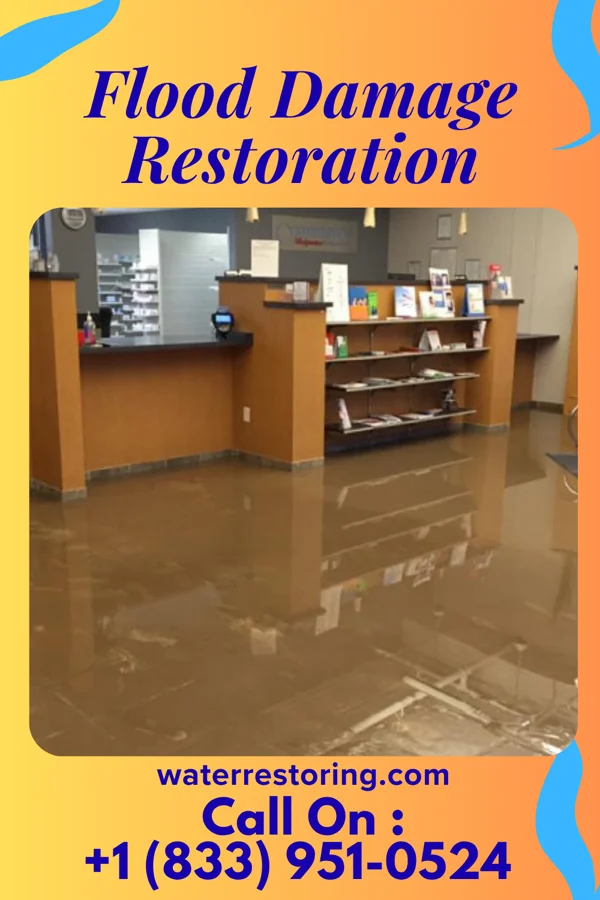
How Magnolia Springs Neighborhoods Flood
Every neighborhood in Magnolia Springs has a different water damage risk profile. The one that shows up on most restoration calls is Magnolia Springs, Alabama is prone to flooding due to its location near the Alabama River and the surrounding wetlands. Heavy rainfall events, especially during the late spring and early summer, can lead to significant water accumulation in low-lying areas. The town's rural setting also means that drainage systems are often less developed, increasing the risk of localized flooding..
The climate in Magnolia Springs is humid subtropical, with frequent thunderstorms and heavy downpours. These weather patterns contribute to periodic flooding, particularly in areas with poor drainage. The town's proximity to the Gulf of Mexico also means that storm surges can impact the region during severe weather events.
Water damage in Magnolia Springs follows a few local patterns. Magnolia Springs, Alabama is prone to flooding due to its location near the Alabama River and the surrounding wetlands. Heavy rainfall events, especially during the late spring and early summer, can lead to significant water accumulation in low-lying areas. The town's rural setting also means that drainage systems are often less developed, increasing the risk of localized flooding. accounts for the bulk of our calls. The climate in Magnolia Springs is humid subtropical, with frequent thunderstorms and heavy downpours. These weather patterns contribute to periodic flooding, particularly in areas with poor drainage. The town's proximity to the Gulf of Mexico also means that storm surges can impact the region during severe weather events. In Magnolia Springs, it is crucial to act quickly after flooding to prevent mold growth. We recommend contacting our team within 48 hours of water exposure to ensure proper mitigation and restoration.